

Best Limited Ingredient Cat Food: A 2026 Guide
Table of Contents
- What Is a Limited Ingredient Cat Food?
- Signs of Food Allergies in Cats: When to Switch
- Best Protein Sources for Cats with Allergies
- Key Ingredients to Look For and What to Avoid
- How to Transition Cat Food Safely
- How to Choose the Best Limited Ingredient Cat Food
- Conclusion
- Frequently Asked Questions
Last Updated: September 6, 2026
What Is a Limited Ingredient Cat Food?
A limited ingredient cat food is a diet formulated with a deliberately short ingredient list, typically featuring one animal protein source and a minimal number of carbohydrates and additives. The goal is straightforward: reduce the number of potential triggers so that when a reaction occurs, or clears up, you know exactly what caused it. This approach is fundamentally different from standard commercial diets that may contain five or more protein sources, multiple grains, and a long list of supplements and preservatives.
For cats with suspected food sensitivities, this simplicity is the entire point. The digestive system and immune response need clarity. When you feed a diet with a single novel or familiar protein and a single carbohydrate source, you create a controlled test. A limited ingredient cat food is not just a product category; it is a diagnostic and management tool for owners who are tired of guessing.
This guide will walk you through recognizing allergy signs, selecting the right protein, and executing a safe transition. We will also cover the practical angles most guides miss, including how to evaluate cost per calorie and what to do when your cat turns up its nose at the new food. By the end, you will have a clear action plan for finding the best limited ingredient cat food for your specific cat.
Signs of Food Allergies in Cats: When to Switch
Food allergies in cats rarely announce themselves with a single dramatic symptom. Instead, they tend to show up as chronic, low-grade issues that owners often chalk up to other causes. The most common signs of food allergies in cats include itchy skin, particularly around the head and neck, persistent scratching, and over-grooming that leads to bald patches. Gastrointestinal distress, such as vomiting or diarrhea, is another frequent indicator, though it can be trickier to link directly to food.
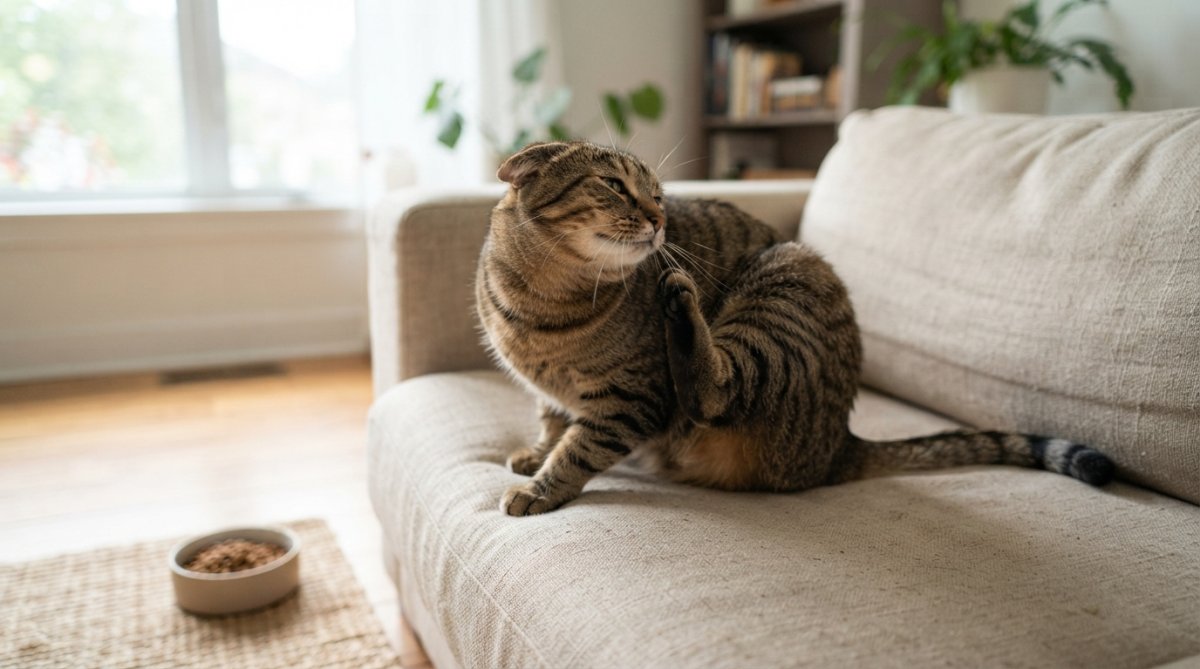
If you notice these signs of food allergies in cats, the next step is not to panic or immediately switch foods randomly. The most reliable method is an elimination diet protocol (PubMed). This means feeding a diet with a single novel protein source, one your cat has never eaten before, for a period of 8 to 12 weeks. If symptoms resolve during this window, you have confirmed a food allergy. If they persist, the issue may be environmental or unrelated to diet.
A common mistake is switching to a "limited ingredient" food that still contains chicken or fish, which are the most common feline allergens. Read the ingredient list carefully. The protein source must be genuinely new to your cat. This is where a curated selection becomes valuable. Filtering out options that contain common triggers can prevent wasting weeks on a diet that was never going to work.
Best Protein Sources for Cats with Allergies
When selecting the best protein sources for cats with allergies, the rule is simple: choose a protein your cat has never consumed. This is known as a novel protein. Popular novel options include rabbit, venison, duck, and even insects in some newer formulations. For cats who have only ever eaten chicken-based kibble, any of these can be an excellent starting point.
The logic is immunological. A food allergy develops after repeated exposure to a specific protein. If your cat's immune system has never encountered rabbit, there is nothing for it to react to. This is why the best protein sources for cats with allergies are not inherently "better" than chicken or beef; they are simply unfamiliar to your cat's immune system.
Here is a quick breakdown of common options:
- Rabbit: Lean, highly digestible, and palatable for most cats.
- Venison: Another lean novel protein, though it can be less palatable for picky eaters.
- Duck: Higher in fat, which can be beneficial but may cause issues for cats with sensitive stomachs.
- Insect Protein: Emerging option that is sustainable and hypoallergenic for many cats.
If your cat has severe allergies and even novel proteins seem to trigger reactions, a hydrolyzed protein diet is the next step. In these diets, the protein is broken down into fragments too small to trigger an immune response. These are typically available only through a veterinarian. For most owners, however, a high-quality limited ingredient cat food with a true single-source protein will resolve the issue. Always verify that the food uses a single animal protein and does not contain trace amounts of other meats in the "flavor" or "fat" ingredients.
Key Ingredients to Look For and What to Avoid
The ingredient list on a limited ingredient cat food should be short enough to read in under thirty seconds. Beyond the single protein source, look for a single carbohydrate source, such as lentils, peas, or sweet potato. These provide structure to the kibble and energy, but they should not be present in excess. Cats are obligate carnivores, meaning their nutrient profile is built around animal tissue, not plant matter.
What to avoid is just as important as what to look for. Steer clear of any food that lists multiple meat meals, "poultry by-product," or ambiguous terms like "animal fat." These can hide allergens. Artificial colors, flavors, and preservatives like BHA and BHT have no place in a diet designed for a sensitive cat. Also, be cautious with gums and carrageenan, which are used as thickeners in wet food and can cause gastrointestinal distress in some cats.
A critical point often missed is the difference between grain-free and truly limited. A food can be grain-free yet still contain a dozen ingredients. Conversely, a limited ingredient diet can include rice or oats without issue, as grain allergies are far less common in cats than allergies to animal proteins. Do not assume grain-free means hypoallergenic; focus on the protein source and the total number of ingredients.
When evaluating a brand, look at the guaranteed analysis for protein and fat content. A high-quality limited ingredient cat food should have a protein content around 40% or higher on a dry matter basis. This ensures your cat receives adequate amino acids, including taurine, which is essential for heart and eye health. The Association of American Feed Control Officials (AAFCO) guidelines provide a useful baseline for understanding nutrient profiles, though your vet's advice should always take precedence.
How to Transition Cat Food Safely
Switching your cat to a new food is a process, not an event. A sudden change will almost certainly cause vomiting or diarrhea, even if the new food is perfect for your cat. The transition period should last 7 to 10 days, giving your cat's digestive enzymes and gut bacteria time to adjust.
The standard protocol is a gradual ratio shift:
- Days 1-3: Mix 25% new food with 75% old food.
- Days 4-6: Mix 50% new food with 50% old food.
- Days 7-9: Mix 75% new food with 25% old food.
- Day 10: Serve 100% new food.
During this transition, monitor your cat's fecal quality closely. Loose stool is common in the first few days, but it should firm up as the ratio shifts. If diarrhea persists beyond day five, slow the transition down. Extend each phase by a few days. If you are transitioning to manage a suspected allergy, this slow approach helps you isolate whether the new food is the problem or whether it is simply the speed of the change.
How to transition cat food safely also involves managing palatability. Novel proteins like venison or rabbit can smell unfamiliar, and some cats will refuse them outright. A common trick is to warm the food slightly to release its aroma. For wet food, a few seconds in the microwave (stirred well to avoid hot spots) can make it more appealing. For kibble, adding a small amount of warm water and letting it soak for a minute creates a gravy-like texture that many cats find irresistible.
How to Choose the Best Limited Ingredient Cat Food
Choosing the best limited ingredient cat food for your cat requires balancing several factors beyond just the ingredient list. The first is life stage. A kitten has different caloric and amino acid needs than a senior cat. Ensure the food is formulated for your cat's age, as a diet that is "complete and balanced" for adults may not support healthy growth in kittens.
Cost is another significant factor, and this is where a cost-per-calorie analysis beats a simple price comparison. A premium food with a higher caloric density may cost more per bag but less per day. To calculate this, divide the price of the bag by the total calories in the bag, then multiply by your cat's daily caloric needs. This gives you the true daily feeding cost. This number is often comparable to cheaper foods that require larger portions to deliver the same energy.
| Food Type | Protein Source | Typical Carb Source | Best For |
|---|---|---|---|
| Novel Protein Kibble | Rabbit, Venison | Lentils, Peas | Cats with suspected allergies |
| Hydrolyzed Diet | Broken-down Chicken | Corn Starch | Severe, confirmed allergies |
| Single-Source Wet Food | Duck, Turkey | Tapioca, Potato | Cats needing higher moisture |
Palatability is the wildcard. You can select the most nutritionally perfect food on the shelf, but if your cat refuses to eat it, it is useless. This is why buying from a retailer with a clear return policy matters. The Pet Grove understands this challenge, which is why our curated selection focuses on foods with proven palatability profiles and why we recommend starting with a smaller bag before committing to a bulk purchase. Our free shipping also makes it easier to try a new brand without the penalty of high delivery costs.
The environmental impact of single-source proteins is a consideration many owners overlook. Venison and rabbit farming have a different footprint than mass-produced chicken. If sustainability matters to you, look for brands that source proteins responsibly. This is a secondary consideration, but for the ethically-minded owner, it can tip the balance between two otherwise equal options. Ultimately, the best limited ingredient cat food is the one your cat tolerates, thrives on, and that fits your budget over the long term. The Cummings School of Veterinary Medicine at Tufts University offers excellent resources on feline nutrition for owners who want to dig deeper into the science.
Conclusion
Finding the right diet for a cat with sensitivities is rarely a one-step process. It requires patience, careful observation, and a willingness to follow a strict elimination protocol without cutting corners. The reward is a cat with healthy skin, a settled stomach, and a visibly better quality of life.
At The Pet Grove, we have curated a selection of grain-free and limited ingredient food options. Our focus on single-source proteins and mentally stimulating feeding routines supports your cat's health. We also offer free shipping on our premium essentials, so you can order with confidence and have the right food delivered quickly to your door.
Get started with The Pet Grove and find a limited ingredient cat food for your feline companion.
Frequently Asked Questions
Is a limited ingredient diet good for cats?
Yes, a limited ingredient diet can be excellent for cats with food sensitivities. By reducing the number of ingredients, you minimize the chance of triggering an allergic reaction. These diets focus on a single-source protein and a limited carbohydrate source, making it easier to identify the culprit behind symptoms like itchy skin or digestive issues. Always choose a formula that is nutritionally complete and balanced for your cat's life stage.
How long does it take to see results from a limited ingredient diet?
Most cats show noticeable improvement within 4 to 6 weeks of starting a limited ingredient diet. Skin issues and digestive problems like vomiting or diarrhea often begin to subside in this period. For a proper elimination diet, you must feed the new food exclusively for at least 8 weeks. This means no treats, table scraps, or flavored medications, as those can introduce hidden ingredients and delay results.
Are limited ingredient diets nutritionally complete for cats?
Reputable limited ingredient cat foods are formulated to meet AAFCO standards, making them nutritionally complete for the stated life stage. This means they contain all the essential amino acids, including taurine, plus vitamins and minerals your cat needs. The goal is fewer ingredients, not less nutrition. Check the guaranteed analysis and the AAFCO statement on the packaging to ensure the diet is balanced and suitable for your cat.


