

Best Grain-Free Food for Kittens: 2026 Guide
Table of Contents
- Why Grain-Free Food Matters for Growing Kittens
- Key Nutritional Requirements for Kitten Development
- Grain-Free vs Grain-Inclusive Kitten Food: What's the Difference
- Top Grain-Free Kitten Food Options
- Signs of Grain Sensitivity in Kittens
- How to Transition Your Kitten to New Food
- Ingredients to Avoid in Grain-Free Kitten Formulas
- Addressing DCM Concerns and Heart Health
Last Updated: August 29, 2026
Why Grain-Free Food Matters for Growing Kittens
Grain-free food for kittens has become increasingly popular among pet parents who want to support their young cats' digestive health and natural dietary needs. A kitten's developing digestive system is sensitive to certain ingredients, and many thrive on grain-free formulas because they're closer to what cats would eat in nature: high-quality animal proteins with minimal fillers. This approach aligns with feline biology, where cats are obligate carnivores requiring nutrient-dense, protein-rich meals rather than grain-based carbohydrates.
Key Nutritional Requirements for Kitten Development
Kittens need a carefully balanced diet to support rapid growth, brain development, and immune system function. Essential amino acids, particularly taurine, are non-negotiable for kittens. Taurine supports heart function, vision development, and neurological growth (the NIH). Animal-based proteins naturally contain taurine, which is why grain-free formulas built around meat sources outperform grain-heavy alternatives.
DHA (docosahexaenoic acid) is another cornerstone nutrient for developing kittens. This omega fatty acid supports cognitive development and vision. A complete and balanced kitten food should deliver adequate fat for energy and skin health without causing digestive upset.

Bioavailability matters more than ingredient count. A formula with five high-quality animal proteins will nourish your kitten better than one listing twelve ingredients where half are plant-based fillers. Caloric density is important too, kittens burn energy quickly as they grow, so they need calorie-rich meals. A grain-free formula typically delivers more calories per cup than grain-inclusive options, meaning smaller portions satisfy your kitten's energy needs.
Grain-Free vs Grain-Inclusive Kitten Food: What's the Difference
Grain-free formulas replace grains (wheat, corn, barley) with alternative carbohydrate sources like peas, potatoes, or legumes. This matters because cats have limited ability to process carbohydrates efficiently. Their digestive systems evolved to extract nutrition from protein and fat, not starches. Grain-free formulas typically deliver higher animal protein content and lower overall carbohydrate load, which aligns better with feline metabolism.
Grain-inclusive kitten foods use grains as binders and filler ingredients. While grains aren't inherently harmful for all kittens, they add bulk without delivering the nutrient density cats require. The digestibility difference is measurable, grain-free formulas with high-quality animal proteins typically show better digestibility rates, meaning your kitten absorbs more nutrients and produces less waste.
Some kittens show no sensitivity to grains whatsoever and thrive on grain-inclusive diets. However, for kittens with food sensitivities or digestive irregularities, grain-free formulas often provide noticeable relief.
Top Grain-Free Kitten Food Options
BLUE Natural Kitten Food - Chicken
BLUE Natural Kitten Food stands out because it's specifically formulated for kittens during their growth phase, not adapted from an adult formula. Real chicken is the first ingredient, followed by chicken meal and fish meal, all animal-based proteins that deliver the amino acid profile kittens need.
What makes this formula work: It includes DHA for cognitive and vision development, plus antioxidant-rich LifeSource Bits that support immune function. The grain-free base uses peas and potatoes as carbohydrate sources, keeping the formula digestible while maintaining caloric density. At The Pet Grove, we offer this option for kittens transitioning from wet food to dry kibble.
The 2 lb bag at $27.49 is ideal for testing whether your kitten responds well before committing to larger sizes.
Best for: Kittens showing early signs of grain sensitivity, or owners prioritizing cognitive development support.
Standout feature: Life stage-specific formulation means every nutrient is calibrated for kitten needs, not a one-size-fits-all approach.
Instinct Original Raw-Coated Cat Food
Instinct takes a different approach with freeze-dried raw coating on grain-free kibble. The raw coating adds palatability and mimics the texture variety cats would encounter in nature, which can help picky eaters engage with their food. Real chicken is the first ingredient, and the high-protein recipe delivers substantial amino acid content.
The freeze-dried raw coating adds enzymatic activity that supports digestive efficiency.
One practical consideration: This formula is labeled for adult cats, though many kitten owners use it successfully with their growing cats. At $55.97 for an 11 lb bag, this option costs more per pound than many alternatives, but the raw coating justifies the premium for owners seeking maximum palatability and enzymatic support.
Best for: Owners willing to invest more for enhanced digestibility and cats that respond well to raw-element diets.
Standout feature: Freeze-dried raw coating provides enzymatic activity and mimics natural feeding variety.
Signs of Grain Sensitivity in Kittens
Identifying grain sensitivity early allows you to switch to grain-free formulas before digestive issues compound. The most obvious sign is gastrointestinal distress: loose stools, diarrhea, or constipation that persists despite consistent feeding. Some kittens show vomiting shortly after meals.
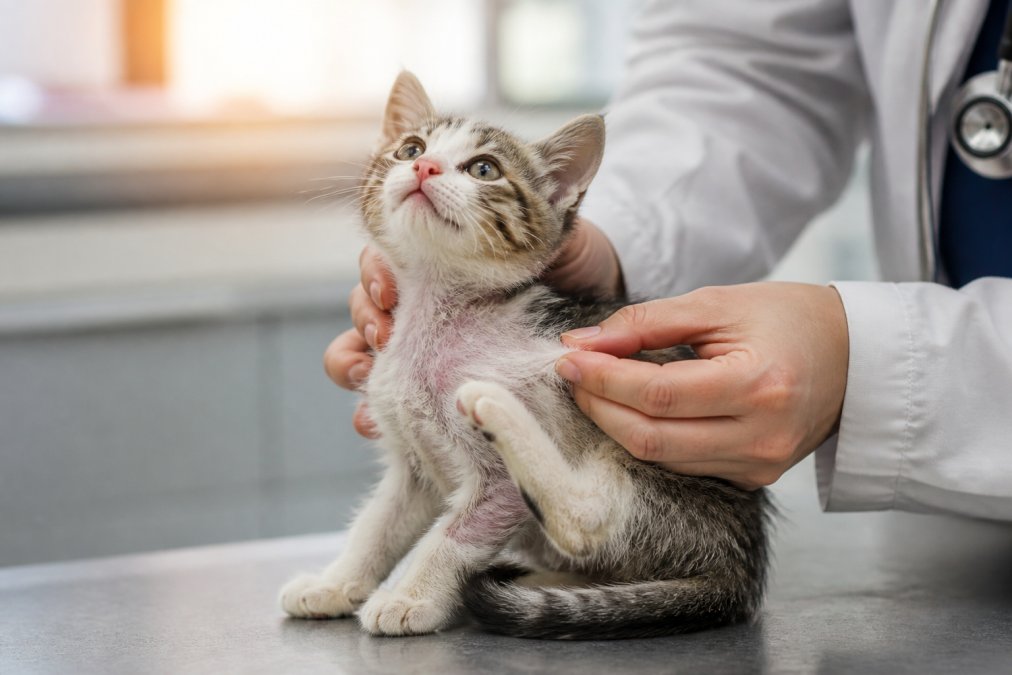
Skin issues often accompany grain sensitivity. Look for excessive scratching, particularly around the face and ears, or visible redness on the skin. A kitten's coat should be glossy and soft; grain sensitivity sometimes produces a dull, flaky coat.
Behavioral changes can signal digestive discomfort. A kitten that seems lethargic, lacks interest in play, or shows signs of abdominal discomfort may be struggling with their current diet. Food allergies and food sensitivities are distinct conditions. True allergies involve immune system reaction and develop quickly. Sensitivities develop gradually as digestive irritation accumulates. Both warrant switching to a limited-ingredient, grain-free formula while you work with your veterinarian to identify the specific trigger.
How to Transition Your Kitten to New Food
Transitioning your kitten to grain-free food requires patience. Abrupt diet changes cause digestive upset, so a gradual transition over 7-10 days allows your kitten's digestive system to adjust to new ingredients and nutrient ratios.
Week 1: Days 1-3 Mix 25% new food with 75% current food. Monitor for any changes in stool consistency or behavior.
Week 1: Days 4-7 Increase to 50% new food and 50% current food. If you notice digestive upset, extend this phase an additional 2-3 days before moving forward.
Week 2: Days 8-10 Move to 75% new food and 25% old food. Your kitten's digestive system is now largely adjusted.
Week 2: Day 11 onward Switch to 100% new food.
Watch for these transition indicators: firm stools indicate successful adaptation; loose stools suggest you're moving too quickly. Energy levels should remain stable or improve. Observe your individual kitten rather than following a rigid timeline.
Ingredients to Avoid in Grain-Free Kitten Formulas
Not all grain-free formulas are created equal. By-products and meat meals from unspecified sources should raise concerns. "Poultry by-product meal" lacks transparency about what's actually included. Look instead for named proteins: "chicken meal," "turkey meal," or "fish meal" where the source animal is identified.
Artificial preservatives like BHA, BHT, and ethoxyquin have no place in kitten food. Natural preservatives like mixed tocopherols (vitamin E) or rosemary extract preserve food without chemical additives. Synthetic colors and artificial flavoring agents serve no nutritional purpose and can trigger sensitivities in susceptible kittens.
Excessive carbohydrate content defeats the purpose of grain-free feeding. Check the guaranteed analysis, carbohydrates should be moderate, not the dominant macronutrient. Plant-based proteins like corn gluten meal or soy should be minimal or absent. Cats cannot efficiently process plant proteins, and these ingredients often indicate cost-cutting rather than nutritional optimization.
Addressing DCM Concerns and Heart Health
The connection between grain-free diets and dilated cardiomyopathy (DCM) in cats has generated significant concern among pet owners. According to FDA reports on pet food and DCM, investigations into DCM cases identified potential links to certain grain-free formulas, particularly those using legumes and potatoes as primary ingredients combined with low taurine levels. However, the relationship remains complex and not fully understood.
The key protective factor is taurine content. Cats require taurine for heart muscle function; deficiency can lead to DCM. High-quality grain-free formulas maintain adequate taurine levels, which is why checking the guaranteed analysis matters. Your kitten's food should list taurine content prominently.
The safest approach: Choose grain-free formulas from established manufacturers with rigorous quality control. Brands like BLUE Natural and Instinct conduct extensive testing and maintain transparent ingredient sourcing. Research from veterinary cardiology studies on feline nutrition suggests that DCM risk increases when grain-free formulas use excessive legumes combined with insufficient taurine.
Have your veterinarian monitor your kitten's heart health during annual checkups. If your kitten has any cardiac risk factors, discuss grain-free options with your vet before switching.
| Consideration | What to Look For | Red Flags |
|---|---|---|
| Taurine Content | Explicitly listed in guaranteed analysis | Absent or vague taurine claims |
| Protein Sources | Named animal proteins (chicken, fish, turkey) | Unspecified "meat meal" or plant proteins |
| Legume Content | Moderate amounts, not primary ingredients | Peas/legumes as first three ingredients |
| Manufacturer Reputation | Established brands with quality testing | Unknown brands with minimal transparency |
| Veterinary Formulation | Developed with nutritional science input | Generic formulas without expertise |
Comparison of Top Grain-Free Kitten Foods
| Product | Starting Price | Life Stage | Key Protein | Standout Feature | Best For |
|---|---|---|---|---|---|
| BLUE Natural Kitten - Chicken | $27.49 (2 lb) | Kitten-specific | Real chicken | DHA for cognitive development | Kittens transitioning to dry food |
| Instinct Original Raw-Coated | $55.97 (11 lb) | Adult cats | Real chicken | Freeze-dried raw coating | Owners prioritizing palatability |
| Chicken Soup Premium Kitten | $18.87 (12 lb) | Kitten-specific | Real chicken | Includes vegetables & fruits | Budget-conscious owners |
Choosing the right grain-free food for your kitten requires balancing ingredient quality, nutritional completeness, and your kitten's individual needs. The Pet Grove's curated selection of premium kitten formulas takes the guesswork out of this decision. With options like BLUE Natural Kitten Food featuring real chicken and DHA support, you're investing in your kitten's developmental foundation. Start with a smaller bag to test compatibility, transition gradually over 7-10 days, and monitor your kitten's response. Get started with The Pet Grove's grain-free kitten collection and support your growing cat's health with formulas designed specifically for their developmental stage.

Frequently Asked Questions
Q: Should kittens have grain-free food?
A: Grain-free food can be appropriate for kittens, especially those with sensitivities or allergies. However, not all kittens require grain-free diets. The key is choosing complete and balanced nutrition with high-quality animal-based proteins, essential amino acids, and taurine for proper development. Consult your veterinarian to determine whether grain-free is right for your kitten's individual needs.
Q: What are the signs of grain sensitivity in kittens?
A: Common signs include digestive issues like diarrhea or constipation, vomiting, poor coat quality, excessive scratching, and ear infections. Some kittens may show reduced appetite or slow growth. If you notice these symptoms, consider transitioning to a limited ingredient or grain-free formula and monitor improvements over 4-6 weeks. Always consult your vet to rule out other health issues.
Q: How do I safely transition my kitten to grain-free food?
A: Gradual transitions prevent gastrointestinal upset. Mix 25% new food with 75% old food for days 1-3, then 50/50 for days 4-7, then 75% new with 25% old for days 8-10. By day 11-14, serve only the new food. Watch for digestive changes and slow the process if your kitten shows signs of sensitivity. This gradual approach allows their system to adapt to the new formula.
Q: Are there health risks with grain-free kitten food?
A: While grain-free diets are safe when properly formulated, some studies have raised questions about potential links to dilated cardiomyopathy (DCM) in adult cats. However, this risk is still being researched and is not definitively proven. Choose grain-free foods formulated by veterinary nutritionists that include adequate taurine and amino acids. Kittens on grain-free diets should have regular veterinary check-ups to monitor heart health.
This article was written using GrandRanker


