

Limited Ingredient Cat Food: A 2026 Guide
Table of Contents
- What Is Limited Ingredient Cat Food?
- Symptoms of Food Allergies in Cats
- How to Identify Common Food Allergens in Cats
- What to Look for in High-Quality Limited Ingredient Cat Food
- How to Transition Cat Food Safely
- Cat Food Elimination Diet Guide
- Supporting Digestive Health and Stool Quality
- When to Consult Your Veterinarian
Last Updated: August 21, 2026
What Is Limited Ingredient Cat Food?
Limited ingredient cat food is a specialized diet formulated with a small number of carefully selected ingredients, designed to reduce the risk of triggering food sensitivities or allergies in cats. Unlike standard commercial cat foods that may contain dozens of ingredients, limited ingredient formulations typically feature a single protein source, a simple carbohydrate or vegetable base, and minimal additives. Fewer ingredients mean fewer potential allergens, making it easier to pinpoint problem foods when a cat experiences gastrointestinal distress, skin irritation, or other diet-related symptoms.
The distinction between limited ingredient food and grain-free food is important. While many limited ingredient diets are also grain-free, the two concepts address different concerns. Grain-free formulas eliminate grains entirely, whereas limited ingredient diets focus on ingredient count and novelty. A cat with a corn sensitivity might thrive on a limited ingredient diet that includes grains but excludes corn entirely.
Symptoms of Food Allergies in Cats
Food allergies and intolerances manifest differently in cats than in humans. The most common symptoms include chronic diarrhea, vomiting, and constipation, all indicators of gastrointestinal distress.
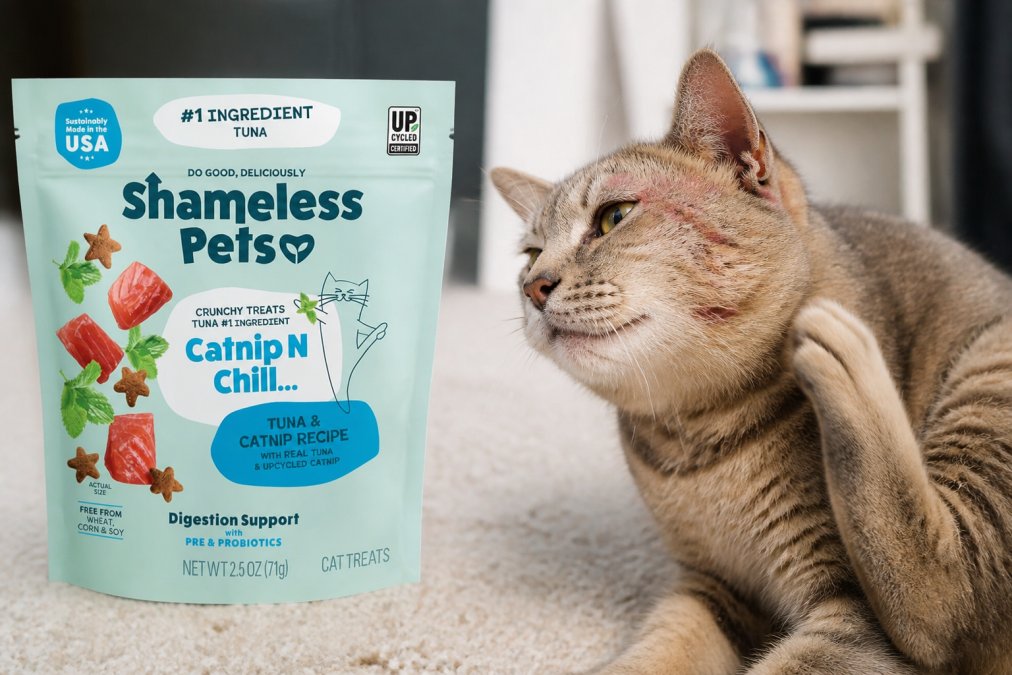
Beyond digestive symptoms, food sensitivities often trigger skin-related problems. Excessive itching, hair loss, and red or inflamed patches of skin can all point to an underlying food intolerance. You might notice your cat scratching more frequently than normal or bald patches where they've been licking excessively. Other warning signs include ear infections characterized by redness, discharge, or waxy buildup, and behavioral changes such as lethargy, decreased appetite, or increased water consumption.
The challenge with diagnosing food allergies in cats is that symptoms often overlap with other conditions. Vomiting and diarrhea might indicate an infection, dietary indiscretion, or stress rather than a food sensitivity. Working with your veterinarian is essential to rule out other causes before attributing symptoms to food.
How to Identify Common Food Allergens in Cats
The most common food allergens in cats include chicken, beef, dairy, fish, and grains like wheat and corn (avma.org). However, cats can develop sensitivities to virtually any ingredient, including novel proteins like venison or duck.
Start by reviewing your cat's current food label and noting all protein sources. If your cat has been eating the same food for months without issue and suddenly develops symptoms, the culprit might be a new ingredient introduced in a recipe reformulation. Dairy is another common trigger, despite the cultural image of cats drinking milk, many adult cats lack sufficient lactase to digest dairy properly. By-products and meat meals can also provoke sensitivities due to their unclear composition.
Artificial preservatives, colors, and flavoring agents represent another category of potential triggers. While generally recognized as safe, individual cats may react negatively to specific chemicals like BHA, BHT, or ethoxyquin.
The most reliable way to identify allergens is through an elimination diet protocol. Switch to a limited ingredient food with a novel protein your cat has never eaten before, such as rabbit, venison, or duck, and maintain that diet exclusively for 8-12 weeks. Avoid treats, flavored medications, and any other food sources. If symptoms resolve, you've likely identified the problem ingredient class. Then systematically reintroduce ingredients one at a time to pinpoint the exact trigger.

What to Look for in High-Quality Limited Ingredient Cat Food
Selecting the right limited ingredient cat food requires evaluating several key factors. First, ensure nutritional adequacy for your cat's life stage. Check that the food meets AAFCO (Association of American Feed Control Officials) standards for your cat's age group, which ensures complete and balanced nutrition (aafco.org).
Ingredient transparency matters significantly. Look for foods that clearly identify the protein source rather than using vague terms like "meat meal" or "animal by-products." Named proteins such as "chicken," "salmon," or "duck" indicate higher quality and make it easier to identify potential allergens.
Single-Source Protein and Novel Proteins
Single-source protein formulas contain only one type of meat or fish, simplifying the process of identifying food triggers. Novel proteins, those your cat has never consumed before, are particularly valuable in elimination diets. Common options include rabbit, venison, duck, and kangaroo.
When evaluating protein quality, consider digestibility and bioavailability of amino acids. Taurine, an amino acid essential for cats, should be present in adequate amounts. Unlike dogs, cats cannot synthesize taurine from other amino acids, making it a critical nutrient that must come from the diet.
Avoiding Fillers and Artificial Preservatives
Fillers such as corn, wheat, and soy serve primarily as inexpensive bulk ingredients rather than contributing meaningful nutrition. High-quality limited ingredient foods minimize or eliminate fillers entirely, focusing instead on nutrient-dense components.
Artificial preservatives warrant careful consideration. While natural preservatives like vitamin E and vitamin C are gentler alternatives, they may offer shorter shelf stability. Some premium brands use vacuum-sealed packaging or refrigeration to extend freshness without chemical preservatives.
Cross-contamination during manufacturing is a concern that affects some cats with severe sensitivities. Some premium brands manufacture limited ingredient foods in dedicated facilities to eliminate this risk entirely.
How to Transition Cat Food Safely
Switching to a new limited ingredient diet requires a gradual transition to prevent digestive upset. Most cats need 7-10 days to adjust to a new food, though some sensitive cats may require up to two weeks.
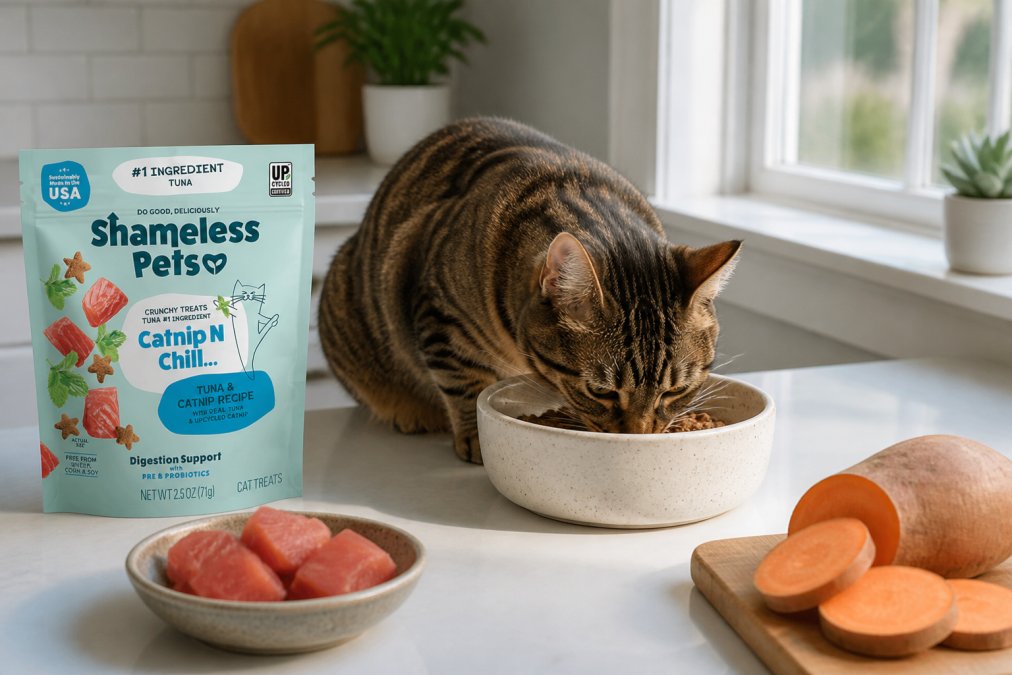
Begin by mixing 25% of the new food with 75% of the old food for the first 2-3 days. Gradually increase the proportion of new food over the following week. By day 7-10, your cat should be eating 100% of the new limited ingredient formula. Monitor stool quality, appetite, and energy levels throughout this period.
Some cats experience temporary digestive changes during the transition, such as softer stools or decreased appetite for a day or two. This is usually normal and resolves as their digestive system adjusts. However, if vomiting, severe diarrhea, or complete appetite loss occurs, slow the transition further or consult your veterinarian.
Keep detailed notes during the transition period. Record dates, food ratios, and any symptoms observed. This documentation becomes invaluable if your cat continues to show symptoms after the transition completes.
Cat Food Elimination Diet Guide
An elimination diet is the gold standard for identifying food intolerances in cats. This protocol typically spans 8-12 weeks, though some cats show improvement within 4-6 weeks.
Step 1: Select a Novel Protein Choose a protein your cat has never eaten. If your cat has always eaten chicken and fish, consider rabbit, venison, or duck.
Step 2: Choose a Simple Carbohydrate Pair the novel protein with a single, simple carbohydrate source. Sweet potato, pumpkin, or peas are common choices.
Step 3: Eliminate All Other Food Sources During the elimination phase, your cat cannot eat treats, flavored medications, or any other food source. Even small amounts of the old food can interfere with results. Work with your veterinarian to find unflavored alternatives or compounded medications that align with the elimination diet.
Step 4: Maintain the Diet for 8-12 Weeks Consistency is essential. Symptoms may improve within 2-4 weeks, but some cats require the full 8-12 week period for complete resolution.
Step 5: Reintroduce Ingredients Systematically Once symptoms resolve, reintroduce one ingredient at a time, every 1-2 weeks, while monitoring for symptom recurrence. This identifies which ingredients trigger reactions and which your cat tolerates well.
| Phase | Duration | Action | Monitoring |
|---|---|---|---|
| Elimination | 8-12 weeks | Feed only novel protein + simple carb | Track stool quality, skin, behavior |
| Reintroduction | 1-2 weeks per ingredient | Add one ingredient at a time | Watch for symptom return |
| Maintenance | Ongoing | Feed identified safe foods | Monitor for new sensitivities |
Supporting Digestive Health and Stool Quality
Digestive health directly reflects the appropriateness of your cat's diet. Healthy stool should be firm, well-formed, and brown in color. Changes in stool quality often signal that the current food isn't working optimally.
Limited ingredient foods designed with digestive support often include probiotics and prebiotics. Probiotics introduce beneficial bacteria that support healthy gut flora, while prebiotics provide food for these bacteria to thrive. Nutrient density plays a significant role in digestive health, foods with high-quality, easily digestible proteins and fats are processed more efficiently by your cat's system.

Hydration also supports digestive health. Wet or canned limited ingredient foods contain higher moisture content than dry kibble, making them an excellent choice for cats with digestive challenges. If your cat's stool remains problematic despite switching to a limited ingredient diet, work with your veterinarian to consider whether additional dietary adjustments or medical evaluation are needed.
When to Consult Your Veterinarian
While dietary management can resolve many food sensitivities, professional veterinary guidance is essential in several situations. If your cat shows symptoms of gastrointestinal distress, skin irritation, or chronic health issues, schedule a veterinary appointment before making dietary changes. Your veterinarian can rule out medical conditions that mimic food allergies, such as IBD (inflammatory bowel disease), IBS (irritable bowel syndrome), or parasitic infections.
Veterinary consultation is particularly important if your cat has underlying health conditions, takes medications, or requires a specific nutritional profile. Senior cats, kittens, and cats with chronic illnesses may have nutritional requirements that standard limited ingredient foods don't meet.
If an elimination diet doesn't resolve symptoms after 8-12 weeks, professional evaluation becomes critical. Persistent symptoms despite dietary changes may indicate a non-food-related condition requiring medical intervention. According to the American Veterinary Medical Association's guidance on pet nutrition, working with a veterinarian or board-certified veterinary nutritionist ensures that any specialized diet meets your cat's complete nutritional needs.
Additionally, if your cat shows signs of severe allergic reactions, such as facial swelling, difficulty breathing, or anaphylaxis, seek emergency veterinary care immediately.
Managing a cat with food sensitivities or allergies requires patience, attention to detail, and often professional support. Limited ingredient cat food offers a practical starting point for identifying and eliminating problematic ingredients. By combining a carefully selected limited ingredient diet with a systematic elimination protocol, most cat owners can identify their cat's specific triggers and establish a sustainable feeding plan.
The Pet Grove's curated selection of premium limited ingredient options, including treats like Shameless Pets Crunchy Cat Treats with digestive support, provides the foundation for this journey. These treats are crafted with real meat, include pre and probiotics for digestive support, and contain only 1.5 calories per treat, making them ideal for cats managing weight while receiving nutritional support. With free shipping and a carefully curated selection of premium pet supplies, The Pet Grove makes it easier to access the specialized nutrition your sensitive cat deserves.
Frequently Asked Questions
Q: What is the best limited ingredient cat food for allergies?
A: The best limited ingredient cat food for allergies contains a single-source protein (like salmon or turkey), avoids common allergens such as chicken and beef, and excludes fillers and artificial preservatives. Look for foods with high nutrient density and digestive support through probiotics. Consult your veterinarian to identify your cat's specific triggers, then select a formula that eliminates those ingredients while maintaining nutritional adequacy for your cat's life stage.
Q: How do I know if my cat needs a limited ingredient diet?
A: Signs your cat may benefit from a limited ingredient diet include chronic vomiting, diarrhea, skin irritation, itching, or gastrointestinal distress that persists despite regular feeding. If your cat has a sensitive stomach with poor stool quality or exhibits signs of food intolerances, a limited ingredient formula may help. Keep a food diary tracking symptoms and consult your veterinarian to confirm food allergies before switching diets.
Q: How long does it take to see improvement after switching to limited ingredient cat food?
A: Most cats show improvement within 4-8 weeks of starting a limited ingredient diet, though some may take up to 12 weeks. Digestive symptoms like vomiting and diarrhea often improve first, while skin conditions may take longer to resolve. Consistency is critical, avoid mixing in treats or other foods that contain allergens, and ensure a proper dietary transition over 7-10 days to prevent gastrointestinal upset during the switch.
Q: What role do probiotics play in limited ingredient cat food?
A: Probiotics support digestive health by promoting beneficial bacteria in your cat's gut, improving nutrient absorption and stool quality. In limited ingredient formulas, probiotics help reduce gastrointestinal distress and support recovery from food intolerances. Prebiotics often accompany probiotics to feed these beneficial bacteria and enhance their effectiveness.
This article was written using GrandRanker


