

How to Manage Dog Chicken Allergies: A Step-by-Step Guide
Table of Contents
- Common Symptoms of Dog Chicken Allergies
- How to Diagnose a Chicken Allergy in Your Dog
- Understanding Your Dog Elimination Diet Guide
- How to Read Dog Food Labels for Chicken
- Hypoallergenic Dog Food Alternatives to Chicken
- Transitioning to a Novel Protein Diet
- When to See Your Veterinarian
- Managing Dog Chicken Allergies Long-Term
Last Updated: August 25, 2026
Common Symptoms of Dog Chicken Allergies
Your dog's constant scratching, red patches, and ear infections might point to a chicken allergy. Recognizing these signs early makes a real difference in managing the condition effectively.
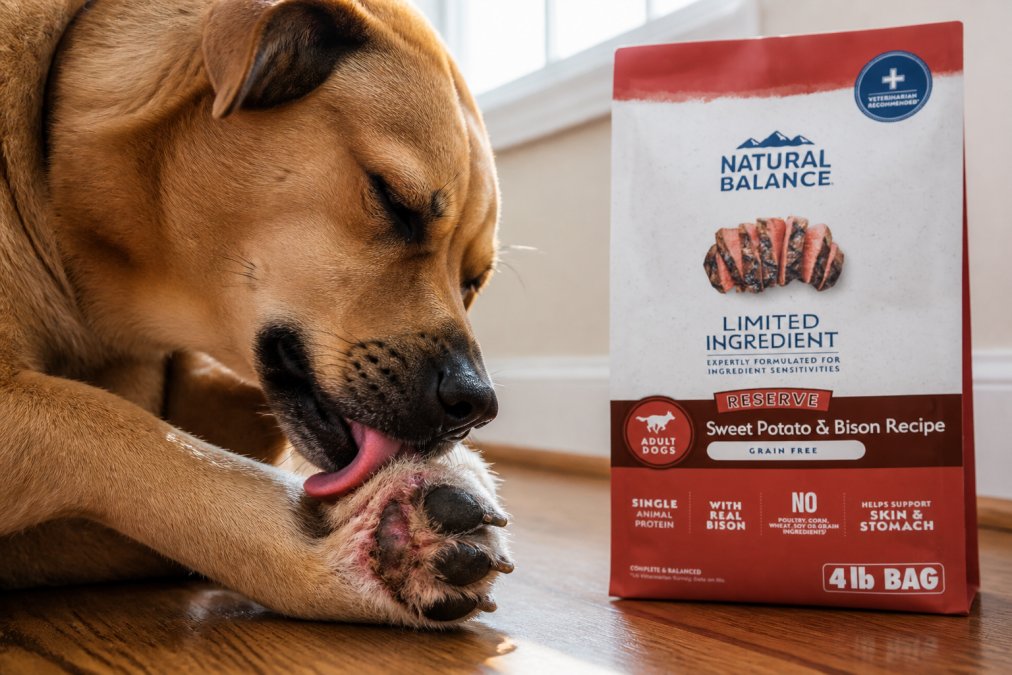
The most visible symptom is chronic scratching and licking, particularly on the paws, face, and ears. Dogs with chicken allergies often develop dermatitis, showing inflamed, irritated skin. You might notice your dog obsessively chewing between their toes or rubbing their face on furniture. Secondary yeast infections frequently develop in these irritated areas, creating a cycle that worsens without intervention (peer-reviewed research).
Gastrointestinal distress is equally common. Your dog may experience vomiting, diarrhea, or loose stools within hours of eating chicken. Some dogs show both skin and digestive symptoms simultaneously, while others display primarily one or the other. Facial swelling, hives, or severe anaphylaxis reactions are less common but require immediate veterinary attention.
Ear infections and otitis externa appear frequently in dogs with chicken sensitivities. You'll notice your dog shaking their head, scratching at their ears, or displaying discharge and odor. These ear issues often persist until the underlying chicken allergy is addressed through diet changes.
How to Diagnose a Chicken Allergy in Your Dog
Diagnosing a chicken allergy requires patience and systematic elimination. Your veterinarian is your starting point. They'll rule out environmental allergies, parasites, and other medical conditions before confirming a food allergy.
Your vet may recommend intradermal testing or serology (blood tests), though these methods have limitations for food allergies. The gold standard remains a food trial using an elimination diet: feeding your dog a diet free from chicken and other common allergens for 8-12 weeks, then monitoring whether symptoms improve (aaha.org).
If your dog's symptoms resolve during the trial period, you've likely identified chicken as the culprit. If symptoms persist, chicken may not be the primary issue, and your vet will investigate other possibilities.
Some veterinarians recommend a hydrolyzed protein diet during the diagnostic phase. These diets break down proteins into smaller molecules that the immune system is less likely to recognize as allergens, helping identify food allergies more quickly.
Understanding Your Dog Elimination Diet Guide
An elimination diet is the most reliable way to confirm a chicken allergy. This diagnostic tool helps you understand what your dog can and cannot eat safely.
Setting Up Your Elimination Diet Timeline
The elimination phase typically lasts 8-12 weeks, allowing your dog's system to fully clear the allergen and inflammation to subside. Introduce only novel proteins your dog has never eaten before, duck, venison, kangaroo, or fish, paired with a single carbohydrate source like sweet potato or pea.
During weeks 2-8, maintain strict consistency. Feed only the chosen protein and carbohydrate combination. Do not introduce treats, table scraps, or supplements containing chicken or other common allergens. This strictness is crucial; even small amounts of chicken can trigger symptoms and reset your progress.
By week 8, most dogs show significant improvement if chicken was truly the problem. Their skin clears, scratching decreases, and digestive issues resolve. Weeks 9-12 involve the challenge phase, where you carefully reintroduce chicken in small amounts to confirm it triggers symptoms. If symptoms return within 1-2 weeks of reintroduction, you've confirmed the allergy.
Tracking Symptoms During the Trial
Document everything during your elimination diet. Create a simple log noting your dog's scratching frequency, skin condition, ear health, and digestive output. Rate severity on a scale of 1-10 daily. Photograph your dog's skin condition weekly for visual documentation of changes.
Watch for hidden sources of chicken. Some supplements, treats, and "limited ingredient" commercial foods contain chicken meal or chicken by-products not listed prominently on the label. Read every ingredient on every product you offer your dog during this period.

How to Read Dog Food Labels for Chicken
Reading dog food labels becomes critical when managing a chicken allergy. Manufacturers use various terms to describe chicken that aren't always obvious.
"Chicken" as the first ingredient is straightforward, your dog cannot have this food. But chicken appears in disguised forms: "chicken meal" (rendered chicken tissue), "chicken by-products" (chicken waste products), and vague terms like "meat meal" or "poultry meal" that often include chicken.
Chicken fat, chicken broth, and chicken stock appear frequently in wet foods and toppers. These concentrated chicken products trigger reactions in sensitive dogs. "Hydrolyzed poultry protein" in supplements is often chicken-derived and will trigger allergic responses.
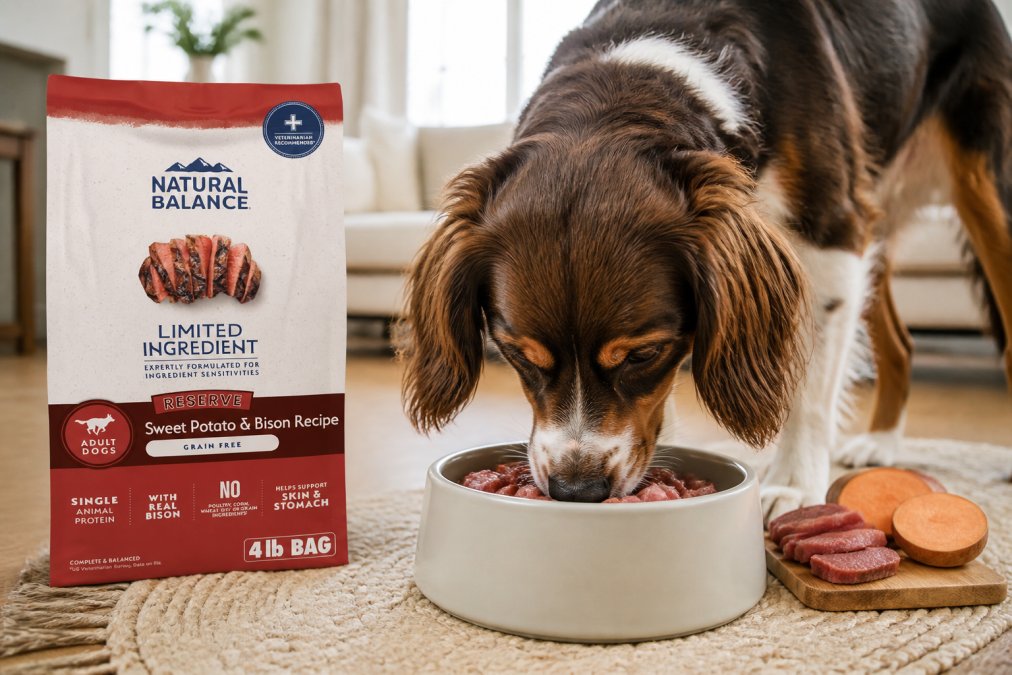
The safest approach is choosing foods explicitly labeled "chicken-free" or "poultry-free." Limited ingredient diets formulated with novel proteins (duck, venison, fish) provide transparent sourcing. The Pet Grove curates premium limited ingredient options like Natural Balance Limited Ingredient Diet with Bison and Sweet Potato, which eliminate chicken entirely while providing complete nutrition.
Hypoallergenic Dog Food Alternatives to Chicken
Once you've confirmed a chicken allergy, transitioning to hypoallergenic alternatives becomes your primary strategy.
Novel Protein Options and Cross-Reactivity Concerns
Duck is an excellent first alternative, a novel protein most dogs have never encountered, making allergic sensitization unlikely. Duck provides complete amino acid profiles and supports healthy coat and skin. The Pet Grove offers premium duck-based options including Pet 'n Shape Duck Breast Jerky and Duck 'n Hide Twists.

Venison, fish (salmon or whitefish), and lamb are similarly strong options. Cross-reactivity between chicken and duck is relatively uncommon, though some dogs sensitive to chicken also react to other poultry due to similar protein structures (peer-reviewed research). Beef and pork carry moderate cross-reactivity risk in some dogs, though most chicken-allergic dogs tolerate these proteins without issue. Kangaroo offers another unique protein option increasingly available in premium dog foods.
Hidden Chicken Ingredients in Treats and Supplements
Treats are where most dog owners accidentally reintroduce chicken. Many "beef" treats contain chicken fat as a binding agent. Rawhide chews are frequently wrapped in chicken-derived gelatin. Even grain-free treats often include hidden poultry proteins.
Supplements present another hidden source. Glucosamine and chondroitin supplements derived from poultry cartilage contain chicken proteins; fish oil supplements are safe alternatives. Many anxiety and stress-relief formulas include chicken meal or chicken fat for palatability. The Pet Grove carries alternatives like Healthybud Calming Aid with Duck, which provides anxiety support without chicken exposure.
Dental chews and oral health products frequently contain poultry by-products. Rawhide alternatives made from fish skin or beef hide avoid this problem. Always verify treat sourcing before offering anything new to your chicken-allergic dog.
Transitioning to a Novel Protein Diet
Switching your dog's diet abruptly can cause digestive upset. A gradual transition prevents stomach problems while your dog adjusts to new proteins.
Over 7-10 days, slowly increase the proportion of new food while decreasing the old food. Day 1-2: mix 75% old food with 25% new food. Day 3-4: use a 50-50 blend. Day 5-6: shift to 25% old and 75% new. Day 7-10: transition fully to the new diet.
Watch for digestive changes during this period. Loose stools or mild vomiting during transition is normal as your dog's gut bacteria adjust. If severe symptoms appear, slow the transition further or consult your vet. Some dogs with severe allergies need even slower transitions extended to 14 days.
Once fully transitioned, monitor your dog for at least 2-4 weeks before deciding whether the new diet is working. Skin symptoms take time to resolve as inflammation subsides and new hair grows in. Digestive improvements often appear faster, within 1-2 weeks.
When to See Your Veterinarian
Professional guidance becomes essential at several points in managing chicken allergies. Your first visit should occur when you notice persistent symptoms that don't resolve with basic care. Your vet rules out parasites, infections, and environmental allergies before confirming a food allergy.
Schedule a follow-up appointment after 8-12 weeks of elimination diet to assess whether symptoms have improved. Your vet may recommend blood work or skin scrapings to confirm the allergy and rule out secondary infections. Return visits are important during the challenge phase when you reintroduce chicken. If severe symptoms return, your vet can provide relief medications while you transition back to the safe diet.
Annual check-ups ensure your dog's diet remains appropriate as they age and their nutritional needs change.
Managing Dog Chicken Allergies Long-Term
Long-term management of chicken allergies requires consistency and vigilance. Once you've identified a safe diet, commit to it completely. Even occasional chicken exposure can trigger symptoms and set back your progress.
Create a list of safe foods and treats to share with family members, pet sitters, and anyone else caring for your dog. Include specific brand names and products you've confirmed as chicken-free. Rotate safe proteins periodically to prevent developing new allergies. If duck is your primary protein, occasionally introduce fish or venison to prevent sensitization to any single protein source.
Monitor your dog's skin and digestive health continuously. Healthy skin should be pink and free of excessive flaking. Coat quality should improve over months on a safe diet. If problems reappear, investigate whether your dog has been exposed to hidden chicken sources.
Seasonal allergies may complicate management. Environmental allergies can cause itching that mimics food allergies. If your dog's symptoms worsen seasonally, discuss this pattern with your vet.
The Pet Grove's curated selection of premium limited ingredient foods and treats makes long-term management easier. Products like Natural Balance Limited Ingredient Diet with Bison and Sweet Potato provide complete nutrition without chicken exposure. Paired with duck-based treats and supplements, you have a comprehensive system for supporting your chicken-allergic dog's health.

Managing a chicken allergy requires commitment, but the payoff is a more comfortable, healthier dog. Once you've identified safe foods, daily management becomes routine. Work with your veterinarian throughout this journey, and rely on trusted sources like The Pet Grove for premium, transparent products designed specifically for dogs with dietary restrictions. With the right approach, your dog can thrive despite their chicken allergy.
Frequently Asked Questions
Q: What are the most common signs of a chicken allergy in dogs?
A: The most common signs of chicken allergies include chronic itching, especially on the paws and ears, skin redness or rashes, and excessive licking or scratching. Many dogs also experience ear infections (otitis externa), facial swelling, or gastrointestinal distress like vomiting and diarrhea. Some dogs develop secondary yeast infections from constant scratching. If your dog shows persistent itching or skin irritation after eating chicken-based foods, consult your veterinarian to rule out other causes.
Q: How long does an elimination diet take to show results?
A: A proper elimination diet typically requires 8-12 weeks to see clear results, though some dogs respond within 4-6 weeks. Your dog must strictly avoid chicken and chicken-based products during this entire period. Keep detailed records of any symptom changes. After the elimination phase, you'll reintroduce chicken gradually to confirm whether it triggered the allergic reaction. This extended timeline helps distinguish true food allergies from other causes like environmental allergies or secondary infections.
Q: What should I feed my dog that is allergic to chicken?
A: Novel protein diets using duck, bison, venison, or fish are excellent alternatives for dogs with chicken allergies. Limited ingredient diets reduce the number of potential allergens. Hydrolyzed protein diets break proteins into smaller molecules, making them less likely to trigger reactions. The Natural Balance Limited Ingredient Diet with bison and sweet potato is a grain-free option designed for sensitive dogs. Always introduce new proteins gradually over 7-10 days to monitor for cross-reactivity or other sensitivities.
Q: Can a dog overcome a chicken allergy?
A: True food allergies are typically lifelong and cannot be outgrown. However, some dogs may have reactions that decrease over time with strict avoidance. The key is maintaining a chicken-free diet indefinitely. Some dogs show improvement through dietary management combined with omega-3 fatty acids and probiotics, which support skin barrier health. Work with your veterinarian to determine whether your dog has a true allergy or a food sensitivity, as the management approaches differ.
This article was written using GrandRanker


