

Best Grain-Free Food for Dogs: 2026 Guide
Table of Contents
- What Is Grain-Free Dog Food and Who Actually Needs It?
- DCM and Grain-Free Dog Food: What the FDA Investigation Found
- Dog Food Ingredients to Avoid on a Grain-Free Diet
-
Top Grain-Free Dog Foods Compared
- Orijen Original: Best for Maximum Protein Density
- Taste of the Wild High Prairie: Best Budget-Friendly Option
- Wellness CORE Original: Best for Cardiac Health Confidence
- Nutro Limited Ingredient Diet Salmon & Lentils: Best for Allergies
- Nulo FreeStyle Lamb & Lentils: Best for Sensitive Stomachs
- Solid Gold Wild Heart Quail & Pumpkin: Best Novel Protein Pick
- Open Farm Homestead Turkey & Chicken: Best for Ethical Sourcing
- Blue Buffalo Wilderness Chicken: Best Widely Available Option
- How to Transition Dog Food Without Upsetting Your Dog's Stomach
- How to Choose the Right Grain-Free Dog Food for Your Dog
- Conclusion
Last Updated: August 17, 2026
What Is Grain-Free Dog Food and Who Actually Needs It?
Grain-free dog food excludes wheat, corn, rice, barley, oats, and other cereal grains, relying instead on sweet potatoes, peas, lentils, chickpeas, or potatoes for carbohydrates. The honest answer: not every dog needs it.
Grain-free diets benefit dogs with confirmed grain allergies, persistent digestive issues unresponsive to conventional foods, skin conditions or chronic ear infections linked to food sensitivities, or owners seeking ingredient transparency. The common mistake is assuming grain-free automatically means healthier, grains aren't inherently harmful to most dogs. For dogs without these issues, the choice comes down to ingredient quality and your preferences around label transparency.
DCM and Grain-Free Dog Food: What the FDA Investigation Found
The most important conversation in grain-free nutrition has been the link between grain-free diets and dilated cardiomyopathy (DCM), a serious heart condition where the heart muscle weakens and enlarges, reducing its ability to pump blood effectively.
The FDA began investigating this potential link in 2018 after receiving DCM reports in breeds not typically predisposed to it, many eating grain-free diets heavy in legumes, potatoes, or lentils. According to the FDA's official investigation update on DCM and grain-free pet food, the agency has not established a definitive causal link, but findings were significant enough to prompt caution from veterinary cardiologists and nutritionists.
The suspected mechanism involves taurine deficiency. Taurine is an amino acid critical to cardiac health. Some researchers believe certain ingredients in grain-free diets, particularly legumes, may interfere with taurine synthesis or bioavailability. If you choose grain-free, opt for formulas with taurine supplementation, prioritize animal-based proteins (naturally rich in taurine), and schedule regular veterinary check-ups including cardiac monitoring.
Breed-Specific Risk Factors Worth Knowing
Certain breeds carry elevated DCM risk regardless of diet: Doberman Pinschers, Boxers, Great Danes, Cocker Spaniels, and Irish Wolfhounds. Golden Retrievers became a focal point in the FDA investigation because they appeared in DCM reports at unexpectedly high rates. For these breeds, feeding legume-heavy grain-free diets warrants discussion with a veterinary cardiologist.
The Role of Taurine Supplementation
Taurine supplementation has emerged as a practical response to DCM concerns. Several grain-free formulas now explicitly add taurine. If your dog's grain-free food doesn't list taurine as a supplement and relies heavily on legumes or potatoes, ask your vet whether a taurine supplement or dietary switch makes sense. The WSAVA Global Nutrition Guidelines recommend consulting a board-certified veterinary nutritionist for dogs with complex dietary needs.
Dog Food Ingredients to Avoid on a Grain-Free Diet
Switching to grain-free doesn't automatically make a diet safe or nutritious. Scrutinize these ingredients:
High concentrations of legumes near the top of the ingredient list. Peas, lentils, and chickpeas as the second, third, or fourth ingredient are associated with DCM concerns.
Meat by-products and unnamed protein meals. "Meat meal" or "poultry by-product meal" without a named species signals lower-quality sourcing. Look for "deboned chicken," "salmon," or "lamb."
Artificial preservatives. BHA, BHT, and ethoxyquin have enough controversy around long-term safety that many premium brands have moved away from them.
Corn syrup or added sugars. Unnecessary in any dog food and counterproductive for blood sugar regulation.
Unnamed fat sources. "Animal fat" without a species identifier is a quality red flag. "Chicken fat" or "salmon oil" is transparent.
Top Grain-Free Dog Foods Compared
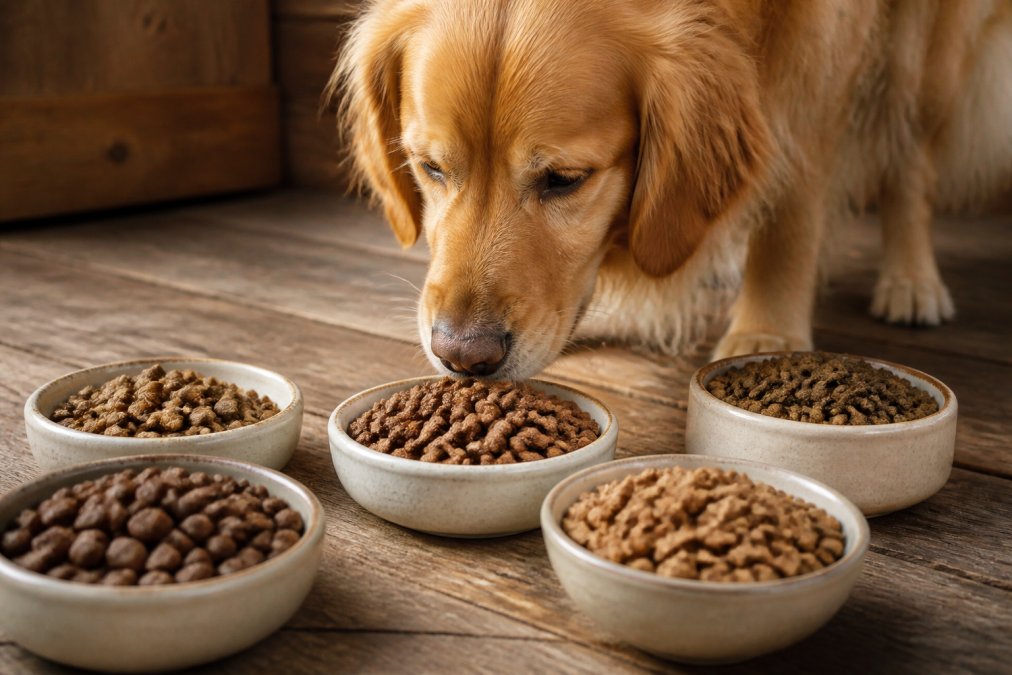
Choosing the right grain-free formula means matching the food to your dog's specific needs.
Quick Picks:
- Best Overall / Maximum Protein Density: Orijen Original
- Best Budget-Friendly Option: Taste of the Wild High Prairie
- Best for Cardiac Health Confidence: Wellness CORE Original
- Best for Allergies: Nutro Limited Ingredient Diet Salmon & Lentils
- Best for Sensitive Stomachs: Nulo FreeStyle Lamb & Lentils
- Best Novel Protein: Solid Gold Wild Heart Quail & Pumpkin
- Best for Ethical Sourcing: Open Farm Homestead Turkey & Chicken
- Best Widely Available Option: Blue Buffalo Wilderness Chicken
| Food | Best For | Key Protein | Taurine Added | Legume Load |
|---|---|---|---|---|
| Orijen Original | Maximum protein density | Multiple meats & fish | No (high meat content) | Low |
| Taste of the Wild High Prairie | Budget buyers | Bison & venison | No | Moderate (peas) |
| Wellness CORE Original | Cardiac health concern | Turkey & chicken | Yes | Moderate |
| Nutro LID Salmon & Lentils | Food allergies | Salmon | No | Moderate (lentils) |
| Nulo FreeStyle Lamb & Lentils | Sensitive stomachs | Lamb | No | Moderate (lentils) |
| Solid Gold Wild Heart | Novel protein needs | Quail | No | Moderate (chickpeas) |
| Open Farm Homestead | Ethical sourcing | Turkey & chicken | No | Low-moderate |
| Blue Buffalo Wilderness | Accessibility | Chicken | No | Moderate (peas) |
Orijen Original: Best for Maximum Protein Density
Orijen Original is the most meat-dense formula on this list. 85% of its ingredients come from animal sources, with the first five ingredients always fresh or raw. The WholePrey philosophy includes meat, organs, cartilage, and bone in ratios that mirror what a dog would eat in the wild. The richness can cause digestive upset in dogs transitioning from lower-protein diets, and the price is among the highest in the category.
Pros: Exceptional protein quality, biologically appropriate formulation, fresh and raw ingredients, made in the USA.
Cons: Higher cost, may not suit dogs with sensitive stomachs or those new to high-protein diets.
Best for: Dogs that need maximum animal protein and whose owners prioritize ancestral diet principles.
Taste of the Wild High Prairie: Best Budget-Friendly Option
Roasted bison and venison lead the ingredient list, providing novel proteins that many dogs with chicken sensitivities tolerate well. K9 Strain Proprietary Probiotics support digestive health, and omega fatty acids address skin and coat condition.
Pros: Affordable, novel proteins reduce allergen risk, probiotics support gut health.
Cons: Some formulas include chicken meal, which can be an allergen. Availability varies by retailer.
Best for: Budget-conscious owners wanting grain-free quality without premium pricing.
Wellness CORE Original: Best for Cardiac Health Confidence
Wellness CORE Original directly addresses DCM concerns with explicit taurine supplementation. Deboned turkey and chicken meal lead the formula, rounded out with antioxidants, probiotics, and superfoods. No artificial colors, flavors, or preservatives.
Pros: Taurine supplementation addresses cardiac health directly, probiotics for digestive support, clean ingredient profile.
Cons: Can be expensive for larger dogs. Some dogs find the taste less compelling than poultry-heavy alternatives.
Best for: Owners concerned about DCM risk wanting grain-free with explicit cardiac health support.
Nutro Limited Ingredient Diet Salmon & Lentils: Best for Allergies
The Nutro LID formula takes a different approach: fewer ingredients, more control. With 10 key ingredients or fewer, this hypoallergenic-focused formula eliminates chicken, beef, corn, wheat, soy, and dairy protein simultaneously. Salmon as the primary protein provides omega fatty acids alongside its dietary management role.
Pros: Minimal ingredient list reduces allergen exposure, non-GMO ingredients, supports skin and coat health via salmon oil.
Cons: Limited protein variety. Higher cost per kilogram than standard grain-free options.
Best for: Adult dogs with confirmed or suspected food allergies.
Nulo FreeStyle Lamb & Lentils: Best for Sensitive Stomachs
Nulo FreeStyle's low-glycemic formulation minimizes blood sugar spikes. Lamb provides a novel protein source for dogs that react to chicken or beef, and 85% animal-based protein content keeps the formula protein-rich. Advanced probiotics support digestive and immune health.
Pros: Low glycemic index, high animal protein, probiotics for digestion and immunity.
Cons: Limited regional availability, higher price point than mid-range grain-free options.
Best for: Active dogs and those with sensitive stomachs needing a low-glycemic, high-protein grain-free diet.
Solid Gold Wild Heart Quail & Pumpkin: Best Novel Protein Pick
Quail is one of the rarest proteins in commercial dog food, making Solid Gold Wild Heart a genuine option for dogs that have exhausted more common novel proteins. The chickpea and pumpkin combination provides digestible carbohydrate sources alongside probiotics and prebiotics for gut health.
Pros: Truly novel protein for dogs with extensive allergy histories, probiotics and prebiotics for gut health, omega fatty acids for coat condition.
Cons: Less widely stocked than mainstream brands. Premium price point.
Best for: Dogs with common protein allergies needing a genuine novel protein source in grain-free format.
Open Farm Homestead Turkey & Chicken: Best for Ethical Sourcing
Open Farm's defining feature is full supply chain transparency. Every batch is traceable from source to bag, and all animal proteins are humanely raised. The formula is grain-free with non-GMO fruits, vegetables, and superfoods, high protein content, and consistent ingredient quality.
Pros: Full ingredient traceability, humanely raised proteins, non-GMO ingredients, high protein content.
Cons: Premium price reflects sourcing standards. Availability is primarily through specialty retailers and online.
Best for: Owners for whom ethical sourcing and supply chain transparency are non-negotiable priorities.
Blue Buffalo Wilderness Chicken: Best Widely Available Option
The most accessible formula on this list, Blue Buffalo Wilderness is stocked at most major pet retailers and supermarkets. Deboned chicken leads the ingredient list, and LifeSource Bits add a targeted mix of antioxidants, vitamins, and minerals. No chicken by-product meals, corn, wheat, soy, or artificial preservatives.
Pros: Wide retail availability, high-quality first ingredient, LifeSource Bits add nutritional density.
Cons: Chicken as primary protein concerns dogs with poultry sensitivities. Peas appear in the formula, relevant to DCM considerations.
Best for: Adult dogs without chicken sensitivities whose owners prioritize easy, in-store availability.
How to Transition Dog Food Without Upsetting Your Dog's Stomach
Switching dog food too quickly is the single most common cause of digestive upset. Most dogs need 7 to 10 days to adjust to a new formula; dogs with sensitive stomachs may need two weeks.
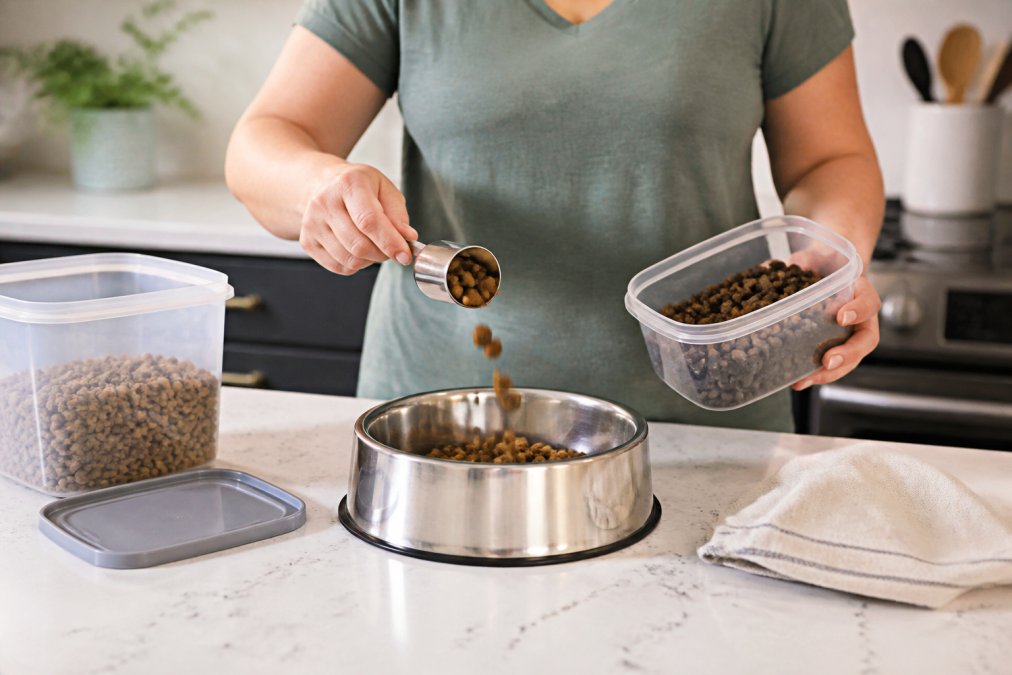
Follow this schedule for a smooth transition:
| Day | Old Food | New Food |
|---|---|---|
| Days 1-2 | 75% | 25% |
| Days 3-4 | 50% | 50% |
| Days 5-6 | 25% | 75% |
| Days 7+ | 0% | 100% |
For dogs with sensitive stomachs, extend each phase by two days. If you notice loose stools, vomiting, or refusal to eat, pause the transition and hold at the previous ratio for an extra two to three days.
Weigh your dog before switching and monitor weight over the first month, as caloric density varies between formulas. Keep fresh water available, higher-protein diets increase water intake.
How to Choose the Right Grain-Free Dog Food for Your Dog
The right grain-free dog food depends on four variables: your dog's specific health needs, their protein tolerance, ingredient quality, and your budget.
Start with your dog's health history. Dogs with confirmed food allergies need limited ingredient diets with novel proteins. Dogs at elevated DCM risk need formulas with taurine supplementation and lower legume concentrations. Dogs with sensitive stomachs need formulas with probiotics and easily digestible protein sources.
Check the ingredient list, not just the marketing. The first five ingredients tell you most of what you need to know. Named animal proteins should lead. Legumes and potatoes should not dominate the first three positions.
Look for nutritional adequacy statements. Every reputable dog food should carry an AAFCO statement confirming it meets minimum nutritional standards for the stated life stage.
Match the formula to your dog's life stage and activity level. High-protein formulas suit active dogs. Lower-calorie, moderate-protein options suit senior or less active dogs.
Consult your vet before switching, especially for dogs with existing health conditions. A board-certified veterinary nutritionist can assess whether grain-free is appropriate and recommend formulas meeting your dog's specific needs. According to the American Veterinary Medical Association's nutrition guidance, dietary changes for dogs with health conditions should always involve veterinary oversight.
Choosing grain-free food for dogs deserves more care than most marketing materials suggest. The DCM investigation, taurine research, and ingredient quality differences all matter. The Pet Grove carries a curated selection of grain-free and limited ingredient options chosen for ingredient transparency and nutritional integrity. Browse our grain-free range with free shipping available, and if you're unsure which formula suits your dog, use the ingredient guidance as a framework to start the conversation with your vet.
Frequently Asked Questions
Is grain-free food actually better for dogs?
Grain-free food is not better for every dog. It benefits dogs with confirmed grain sensitivities, food allergies, or digestive issues triggered by wheat, corn, or soy. For most healthy dogs, grains are a digestible carbohydrate source that causes no problems. The decision should be based on your individual dog's health needs and a veterinary consultation, not general marketing claims about ancestral or natural diets.
Why do vets advise against grain-free dog food?
Many veterinarians express caution because the FDA opened an investigation into a potential link between grain-free diets and dilated cardiomyopathy (DCM), a serious heart condition. Several grain-free formulas rely heavily on legumes like peas and lentils, which may interfere with taurine absorption. Vets following WSAVA guidelines also prefer foods with established nutritional adequacy records. The concern is not grains themselves, but the ingredients used to replace them.
What are the signs my dog might need a grain-free diet?
Common signs include chronic itching, recurring ear infections, gastrointestinal upset such as loose stools or vomiting, and dull coat condition. These can indicate food allergies or a sensitive stomach. However, these symptoms have many causes. A proper diagnosis from a vet, sometimes including an elimination diet trial, is the only reliable way to confirm that grains are the trigger before switching to grain-free dog food.
What ingredients should I avoid in grain-free dog food?
Watch for formulas where peas, lentils, chickpeas, or potatoes appear in the first four or five ingredients, as high concentrations of legumes are linked to the DCM investigation. Also avoid artificial preservatives, meat by-product meals without named sources, and added sugars. For dogs with specific allergies, check for hidden allergens like chicken meal in foods marketed as novel-protein. Label transparency is essential when evaluating any grain-free formula.
How do I safely transition my dog to a grain-free diet?
A gradual transition over 7 to 10 days reduces the risk of digestive upset. Start by mixing roughly 25% of the new grain-free food with 75% of the current food. Every two to three days, increase the new food proportion while reducing the old. By day 10, your dog should be eating the new food exclusively. Monitor stool consistency, energy levels, and appetite throughout. If vomiting or diarrhoea occurs, slow the transition and consult your vet.
This article was written using GrandRanker


